Skin Rejuvenation: Restore Youth and Radiance

Related Products skin rejuvenation
Background for treatments

Causes of Skin Problems and Need for Rejuvenation

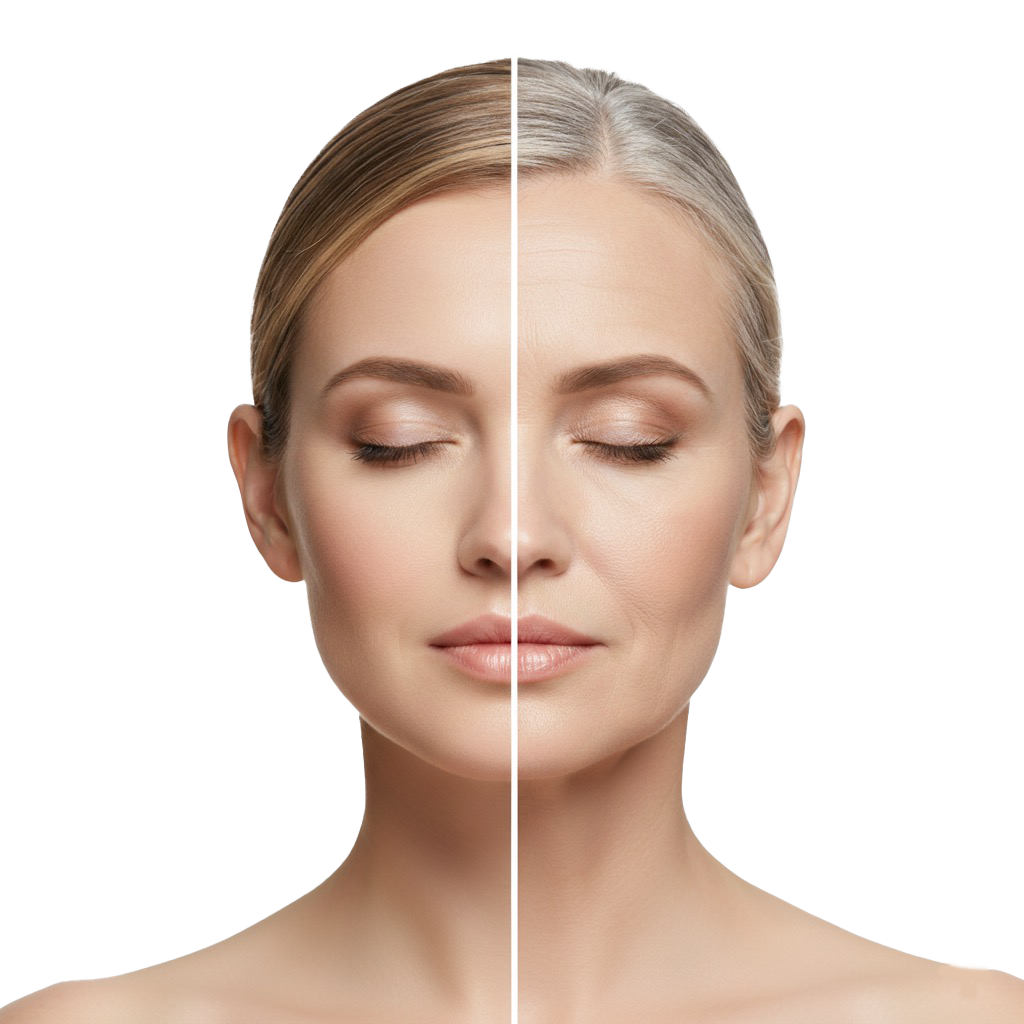
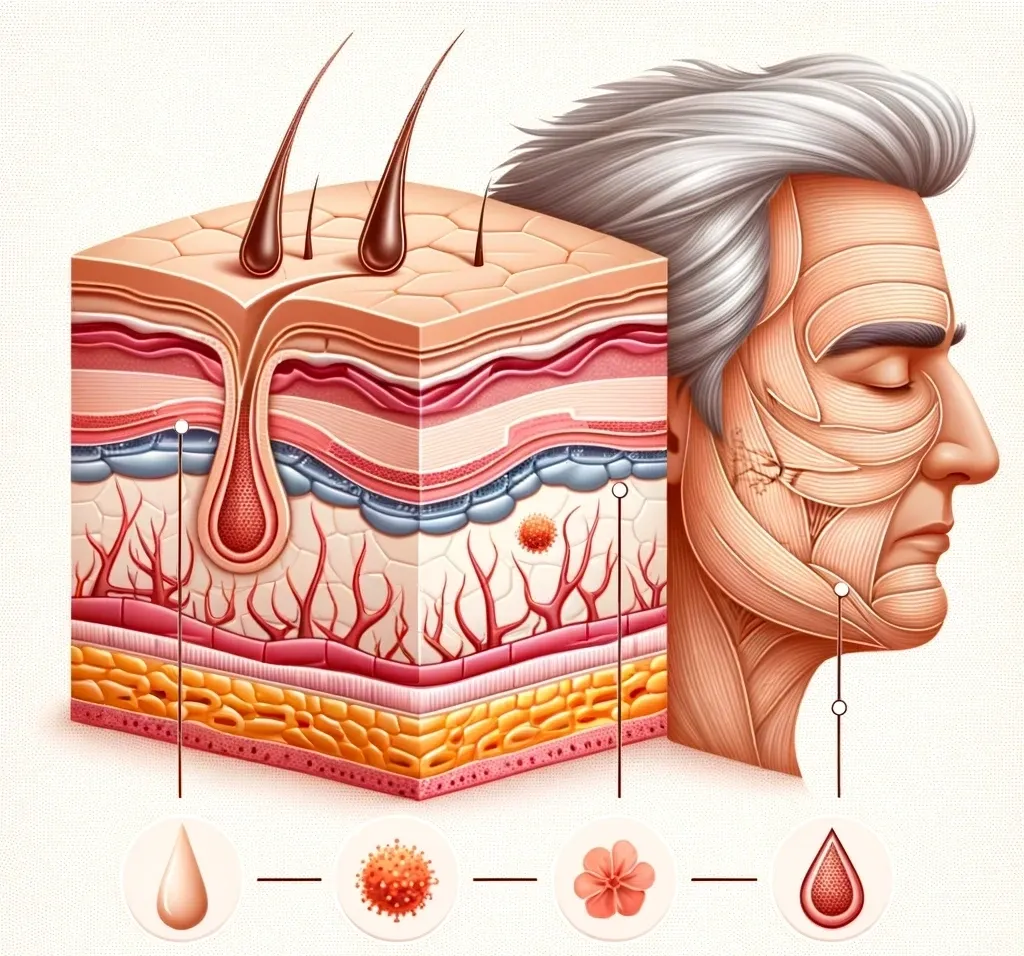
Skin aging and various skin problems arise from a combination of internal and external factors that gradually alter the skin’s structure and appearance. These changes not only affect facial aesthetics but can also impact overall skin health and self-confidence. Skin rejuvenation techniques, such as laser therapy, filler injections, microneedling, and non-invasive treatments, can effectively address these issues.

Natural Aging Process

Aging is an inevitable biological process that progressively changes the skin’s structure and function. This includes a reduction in collagen, elastin, and hyaluronic acid, which are essential for skin strength, elasticity, and hydration.
  • Reduced Collagen and Elastin: Collagen provides structural support, while elastin ensures flexibility. As we age, their production decreases, leading to sagging, loose, and wrinkled skin.
  • Decreased Hyaluronic Acid: This substance hydrates the skin. Its reduction causes dryness, volume loss, and fine lines.
  • Thinning Skin: Skin layers thin over time, losing their ability to repair effectively.

Genetic Factors

Genetics significantly influence skin type, collagen production, and aging speed. Some individuals experience wrinkles or sagging earlier due to genetic predispositions. Conditions like Ehlers-Danlos Syndrome can also weaken skin structure.

Sun Damage (Photoaging)

Prolonged exposure to ultraviolet (UV) rays is a leading cause of premature skin aging, known as photoaging, with effects often more severe than natural aging.
  • Collagen and Elastin Breakdown: UV rays degrade these proteins, causing wrinkles and sagging.
  • Dark Spots (Lentigo or Melasma): Sun exposure increases melanin production, leading to dark spots and uneven skin tone.
  • Dryness and Roughness: Long-term sun exposure reduces skin moisture, resulting in dry, rough texture.

Oxidative Stress and Free Radicals

Free radicals, unstable molecules, damage cells, proteins, and DNA. They are produced through bodily metabolism, but external factors like pollution, cigarette smoke, sunlight, and poor diet amplify their production.
  • Cellular Damage: Free radicals impair skin cells and reduce collagen production, contributing to wrinkles and sagging.

Hormonal Changes

Hormonal fluctuations, particularly during menopause, pregnancy, or severe stress, significantly affect skin health. Reduced levels of hormones like estrogen and testosterone lead to thinner skin, decreased collagen and elastin, and reduced moisture.
  • Menopause: Lower estrogen levels cause volume loss and wrinkles.
  • Hormonal Conditions like Polycystic Ovary Syndrome (PCOS): These can trigger acne and pigmentation changes.

Rapid Weight Loss

Sudden, significant weight loss can reduce subcutaneous fat, which supports skin structure, leading to sagging, especially in areas like the face, neck, and arms.

Unhealthy Lifestyle

Lifestyle factors can accelerate premature skin aging:
  • Smoking: Reduces blood flow to the skin and damages collagen.
  • Poor Diet: Processed foods, high sugar, and unhealthy fats cause inflammation and premature aging.
  • Dehydration: Insufficient water intake leads to dry, less elastic skin.

Chronic Stress

Persistent stress increases cortisol production, which reduces collagen and damages skin structure. It also exacerbates conditions like eczema, psoriasis, and acne.

Environmental Factors and Air Pollution

Air pollution, containing fine particles and harmful chemicals, penetrates the skin, causing inflammation, oxidative stress, and collagen breakdown. These contribute to wrinkles, dark spots, and sagging.

Improper Skincare

Failing to use appropriate skincare products, such as sunscreens, moisturizers, and antioxidants, accelerates aging. Using unsuitable products or over-cleansing can also harm the skin.

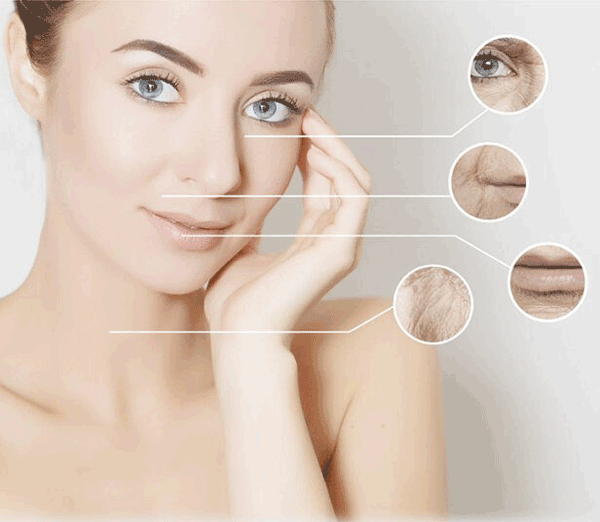
Diagram of skin aging causes, including photoaging and collagen loss

Common Skin Problems Requiring Rejuvenation

Common skin problems requiring rejuvenation include:

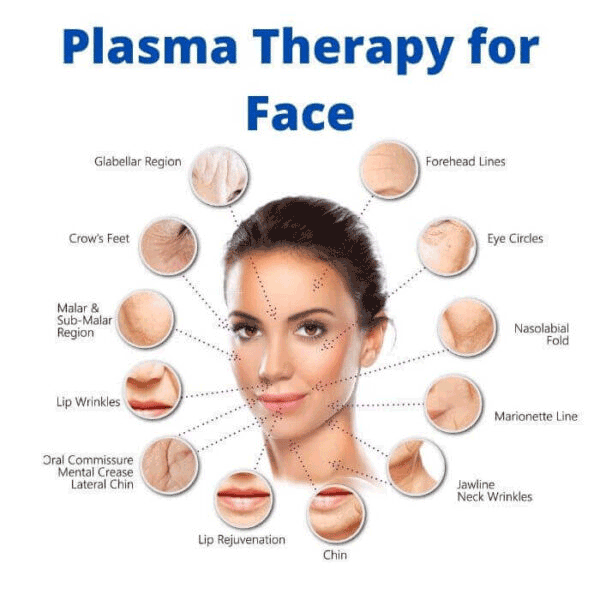
Surface and Deep Wrinkles

Caused by reduced collagen and elastin.

Dark Spots and Skin Discoloration

Due to sun damage or hormonal changes.

Skin Sagging and Loosening

Caused by tissue volume reduction and muscle atrophy.

Dryness and Roughness

Due to reduced sebum and hyaluronic acid production.

Scars and Marks

Resulting from acne or skin injuries.

Advanced Technologies for Skin Rejuvenation

Technologies like cold and hot plasma, carboxytherapy, and Nd:YAG laser offer diverse, effective options for skin rejuvenation. The choice of technology depends on the patient’s skin type and needs, determined by a dermatologist to achieve optimal results.

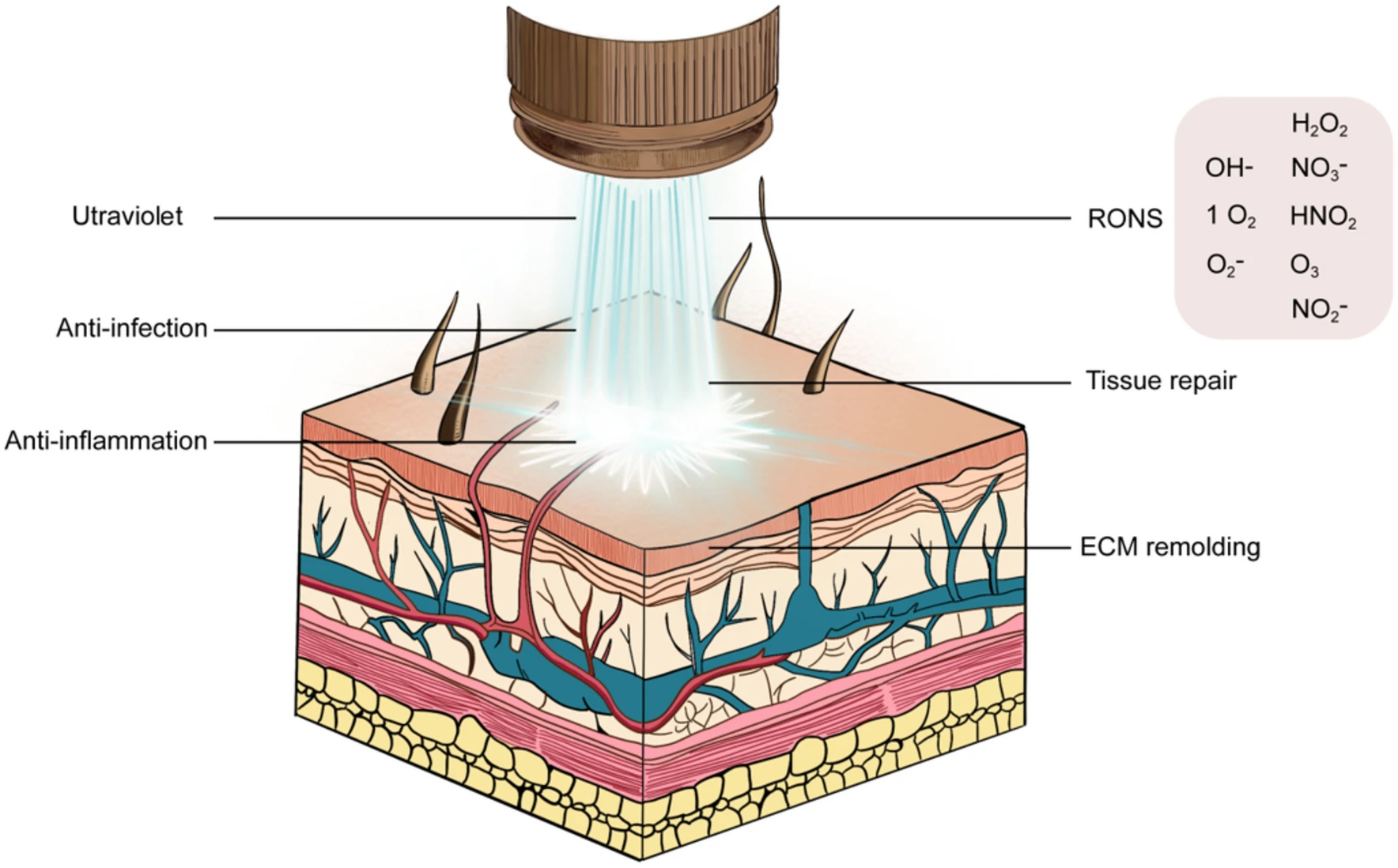
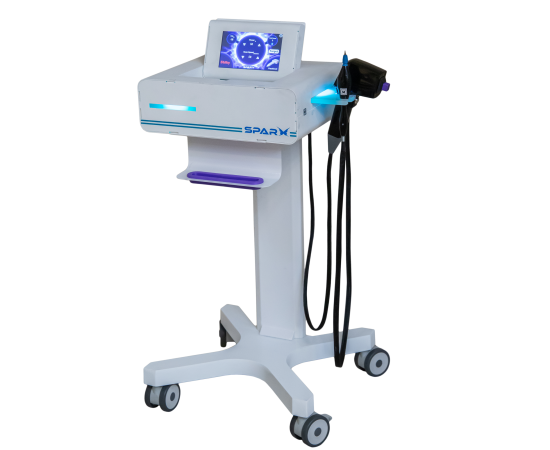
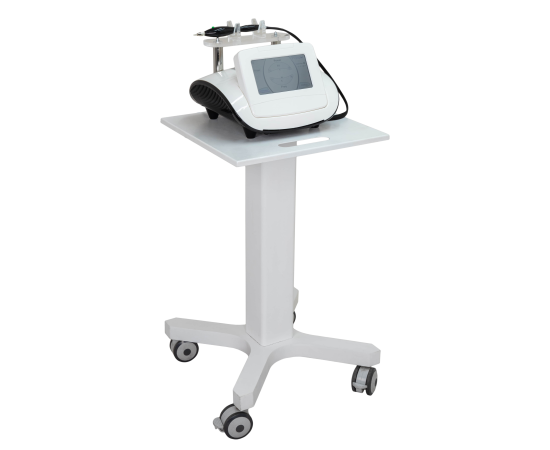
Hot and Cold Plasma

  • Hot Plasma: Creates controlled thermal injuries to stimulate skin regeneration and collagen production, ideal for deep wrinkles and sagging skin.
  • Cold Plasma: Operates at lower temperatures with less energy, treating acne, pigmentation, and surface skin tightening with minimal side effects.

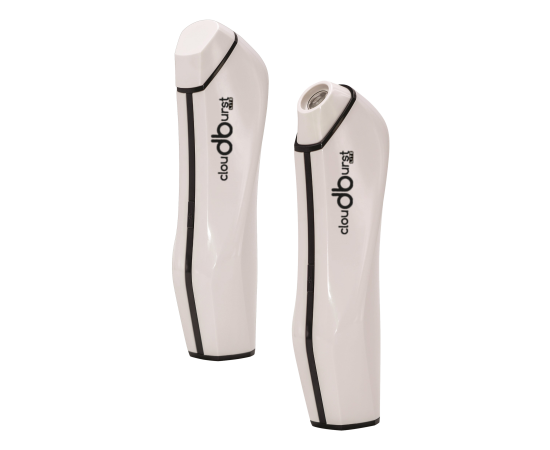
Carboxytherapy

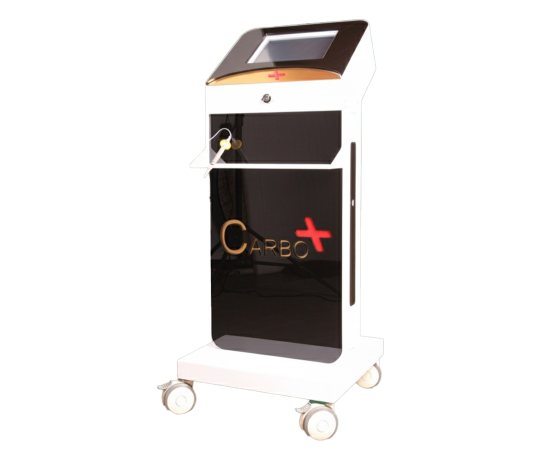
Carboxytherapy involves injecting carbon dioxide (CO₂) into the skin, boosting blood flow and oxygen delivery to tissues. This stimulates collagen production, reducing wrinkles, sagging, and improving skin tone. As a non-invasive method with no recovery time, it is highly popular.

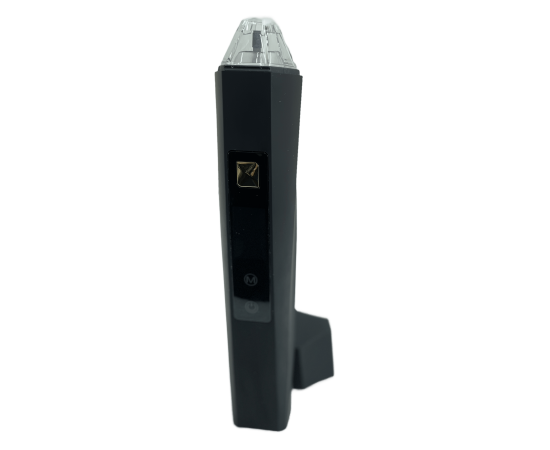
Nd:YAG Laser 1064 nm

This laser penetrates deeper skin layers, stimulating collagen production and reducing wrinkles and pigmentation. Its lower melanin absorption makes it safer for darker skin types and suitable for all skin tones.

Exploring Advanced Rejuvenation Technologies

Skin rejuvenation using cutting-edge technologies is an effective way to enhance skin health and appearance. Each method has unique mechanisms and is selected based on the patient’s specific needs.

Hot Plasma

  • Mechanism of Action: Hot plasma creates controlled thermal injuries on the skin’s surface, triggering repair and regeneration processes. It penetrates deeper layers, boosting collagen production and improving deep wrinkles and sagging.
  • Positive Effects:
    • Collagen Stimulation: Thermal energy activates fibroblasts, producing new collagen.
    • Skin Regeneration: Controlled injuries initiate skin renewal, resulting in younger-looking skin.
  • Benefits:
    • Reduces Deep Wrinkles: Effective for deep lines and sagging.
    • Tightens Skin: Enhances skin firmness and elasticity.
  • Scientific Studies: Clinical studies confirm that hot plasma effectively reduces wrinkles and sagging. In one study, patients reported significant improvements in skin firmness and wrinkle reduction post-treatment.

Cold Plasma

  • Mechanism of Action: Cold plasma penetrates surface layers with lower energy, stimulating cells without thermal damage. It is ideal for treating acne, pigmentation, and surface rejuvenation.
  • Treatment Process:
    • Strong Disinfectant: Cold plasma’s antibacterial properties effectively treat acne.
    • Cellular Regeneration: Stimulates skin cell repair and renewal.
  • Benefits:
    • Fewer Side Effects: Minimal thermal damage reduces risks.
    • Ideal for Sensitive Skin: Suitable for addressing surface issues like acne and pigmentation.

Carboxytherapy

  • Mechanism of Action: Carboxytherapy injects CO₂ into the skin, enhancing blood flow and oxygenation. This boosts collagen production and improves skin elasticity.
  • Treatment Process:
    • Improved Blood Flow: CO₂ dilates blood vessels, enhancing circulation.
    • Collagen Production: Stimulates collagen synthesis for youthful skin.
  • Benefits:
    • Reduces Wrinkles and Sagging: Enhances skin radiance and youthfulness.
    • Non-Surgical: Minimally invasive with minimal side effects.
    • Reduces Under-Eye Dark Circles: Improved circulation diminishes dark circles.

Nd:YAG Laser 1064 nm

  • Mechanism of Action: This laser targets the dermis, stimulating collagen production and reducing wrinkles and pigmentation. The heat generated in deeper layers promotes skin regeneration and firmness.
  • Treatment Process:
    • Collagen Stimulation: Activates collagen production in deeper layers.
    • Pigmentation Treatment: Effectively reduces dark spots and uneven tone.
  • Benefits:
    • Suitable for Darker Skin: Lower melanin absorption reduces pigmentation risks.
    • Reduces Deep Wrinkles: Effective for deeper lines.
    • Tightens Skin: Improves firmness and elasticity through collagen stimulation.
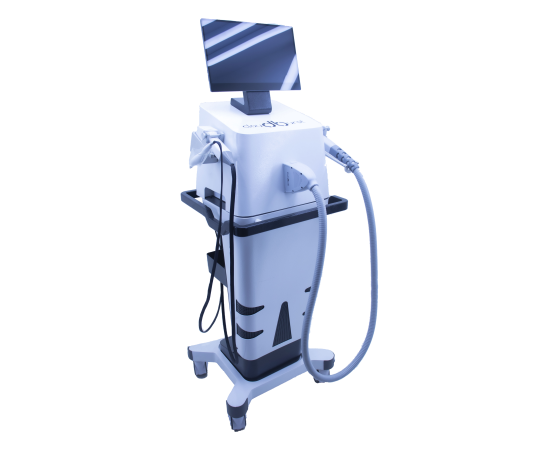
Nd:YAG 1064 nm laser for skin rejuvenation

Suitable Candidates for Skin Rejuvenation

Skin rejuvenation is ideal for individuals with:
  • Wrinkles, Dark Spots, or Sagging Skin
  • Desire for Non-Invasive Treatments
  • Healthy skin avoiding invasive procedures.

Frequently Asked Questions

What is skin rejuvenation?

Skin rejuvenation involves non-invasive methods like Nd:YAG laser and carboxytherapy to improve wrinkles and skin vitality.

Is cold plasma suitable for sensitive skin?

Yes, cold plasma is ideal for sensitive skin due to minimal side effects.

What are the benefits of carboxytherapy?

Carboxytherapy reduces wrinkles and dark circles by boosting blood flow and collagen.

Is Nd:YAG laser suitable for all skin types?

Yes, Nd:YAG laser is safe for all skin types, especially darker tones, and reduces wrinkles.

Do these treatments require downtime?

No, skin rejuvenation methods like cold plasma and carboxytherapy require no downtime.