Laser and Plasma Physiotherapy: Fast Pain Relief and Recovery

Related Products Laser and Plasma Physiotherapy
Background for treatments

Understanding Musculoskeletal Pain

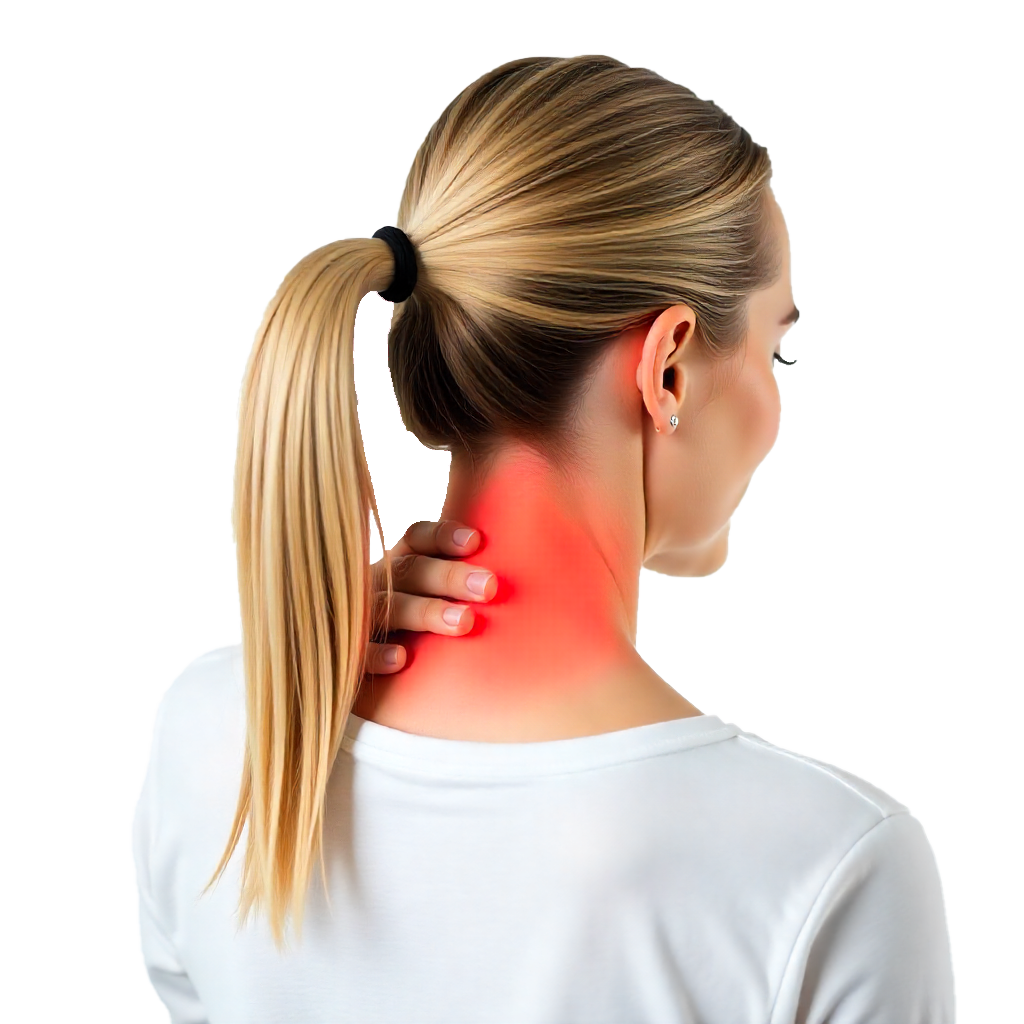
Musculoskeletal pain is one of the most common health issues worldwide, stemming from various causes. According to the World Health Organization (WHO), these pains are a leading cause of disability in daily activities, placing a significant burden on healthcare systems. Such pains may arise from mechanical injuries, inflammation, or tissue degeneration.
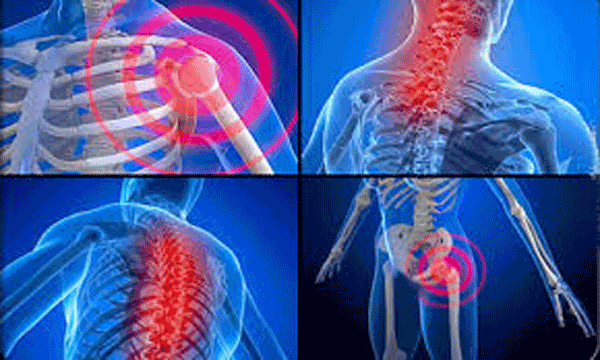
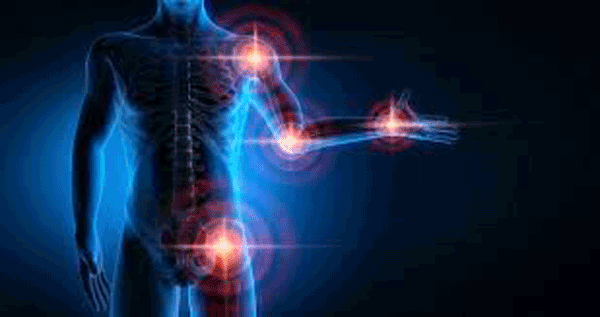
Diagram of musculoskeletal pain causes, including injuries and inflammation

Causes of Musculoskeletal Pain

Musculoskeletal pain arises from multiple sources:

Mechanical and Physical Injuries

Sports injuries or improper body movements, such as overuse or repetitive actions, can lead to muscle or joint damage, causing localized inflammation, muscle strains, or tendon injuries. Research indicates that prolonged sitting or repetitive motions can contribute to chronic pain and stress on muscles and joints.

Inflammatory Conditions

Diseases like rheumatoid arthritis, fibromyalgia, or tendinitis cause inflammation in muscles and joints, leading to chronic pain and restricted movement. Clinical studies confirm that these conditions exacerbate inflammation and limit mobility.

Age-Related Tissue Degeneration

As we age, cartilage and muscle tissues gradually deteriorate, reducing flexibility and increasing chronic pain or mobility issues. Scientific studies show that cartilage loss and reduced muscle density contribute to chronic pain and movement limitations.

Treatment Methods in Physiotherapy

Physiotherapy treatments for musculoskeletal pain are divided into invasive and non-invasive methods:

Invasive Methods

  • Surgery: Severe cases may require surgeries like knee replacements or orthopedic procedures. These methods carry significant risks, such as infections, and require extended recovery periods. Studies highlight that invasive surgeries can lead to serious complications.
  • Steroid Injections: Steroid injections are used to reduce inflammation and pain in affected joints. While effective short-term, they may weaken tissues or increase infection risks. Clinical research notes potential side effects like tissue thinning.

Non-Invasive Methods

  • Strengthening and Physical Exercises: Targeted exercises strengthen muscles around joints, reducing stress and improving function.
  • Laser Therapy: Medical lasers stimulate natural healing processes, reducing inflammation and accelerating tissue repair. Clinical studies confirm laser therapy’s effectiveness in pain relief and tissue regeneration.
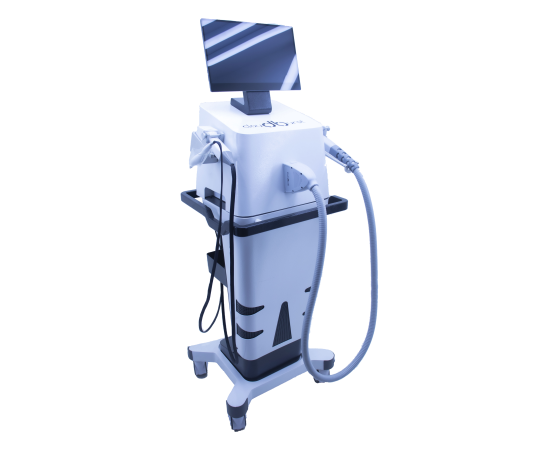
  • DBD Plasma Therapy: Dielectric Barrier Discharge (DBD) Plasma is an advanced technology that uses plasma energy to enhance tissue regeneration, reduce pain, and improve muscle function. Plasma, an ionized gas with free electrons and ions, is a powerful tool in medical applications.

Benefits of Laser and DBD Plasma in Physiotherapy

Benefits of Laser and DBD Plasma

  • Non-Invasive: Safe and surgery-free with no serious side effects.
  • Rapid Pain and Inflammation Relief: Noticeable results from early sessions.
  • Accelerated Tissue Repair: Enhances cellular regeneration for faster healing.
  • Improved Blood Flow: Boosts oxygenation, aiding tissue recovery.
  • Reduced Medication Dependency: Decreases reliance on painkillers and anti-inflammatories.
  • High Safety: Suitable for all skin types with minimal side effects.
  • No Recovery Time: Patients can resume daily activities immediately.

Suitable Candidates for Laser and DBD Plasma Therapy

Both methods are safe, effective, and free of serious side effects, making them suitable for a wide range of patients.

Multi-Wavelength Laser Therapy

  • Individuals with chronic or acute muscle and joint pain seeking non-invasive relief.
  • Athletes with physical injuries like strains or tears needing faster recovery.
  • Patients with joint inflammation, such as arthritis or tendinitis.
  • Those with superficial wounds or soft tissue injuries requiring rapid healing.

DBD Plasma Therapy

  • Individuals with muscle or joint pain seeking non-invasive solutions.
  • Athletes recovering from sports injuries like muscle strains or tears.
  • Patients with chronic wounds or inflammation needing faster healing.
  • Those with skin issues requiring infection reduction and tissue repair.

Multi-Wavelength Laser Physiotherapy

Multi-wavelength lasers are among the most innovative treatments for pain relief, tissue repair, and improved blood flow.

980 nm Laser

Penetrates deep tissues, absorbed by water and hemoglobin, making it ideal for chronic pain and deep inflammation. Applications include arthritis treatment and soft tissue injuries.

808 nm Laser

Promotes cellular regeneration and accelerates muscle and wound healing. Studies confirm its role in speeding up tissue repair.

638 nm Laser

Stimulates collagen production and improves blood flow, effective for superficial wounds and tissue flexibility.

450 nm Laser

Offers antibacterial and anti-inflammatory effects, ideal for treating superficial inflammation and infected wounds.

DBD Plasma in Physiotherapy

DBD Plasma stimulates biological processes like blood flow, inflammation reduction, and cell regeneration by generating electrons and ions. It enhances tissue repair through nitric oxide (NO) production and other active molecules. Scientific studies confirm that DBD Plasma boosts collagen production and accelerates wound healing.
DBD Plasma in Physiotherapy

Frequently Asked Questions (FAQ)

What is laser physiotherapy?

Laser physiotherapy is a non-invasive method using multi-wavelength lasers to reduce musculoskeletal pain and accelerate tissue recovery.

How does DBD plasma aid wound healing?

DBD plasma therapy stimulates natural body processes and produces nitric oxide to accelerate cell regeneration and wound healing.

Is laser therapy suitable for everyone?

Yes, laser therapy is safe for all skin types and ideal for patients with chronic pain, athletes, and those with chronic wounds.

Is DBD plasma therapy painful?

No, DBD plasma therapy is painless and non-invasive, requiring no recovery time.

What’s the difference between laser and DBD plasma therapy?

Both are non-invasive, but laser therapy uses focused light to stimulate tissues, while DBD plasma employs plasma energy for regeneration.