
Image-Guided Follicular Laser
How the approach works
Live imaging, selected coordinates and calibrated beam steering bring image guidance into the diode-laser workflow.
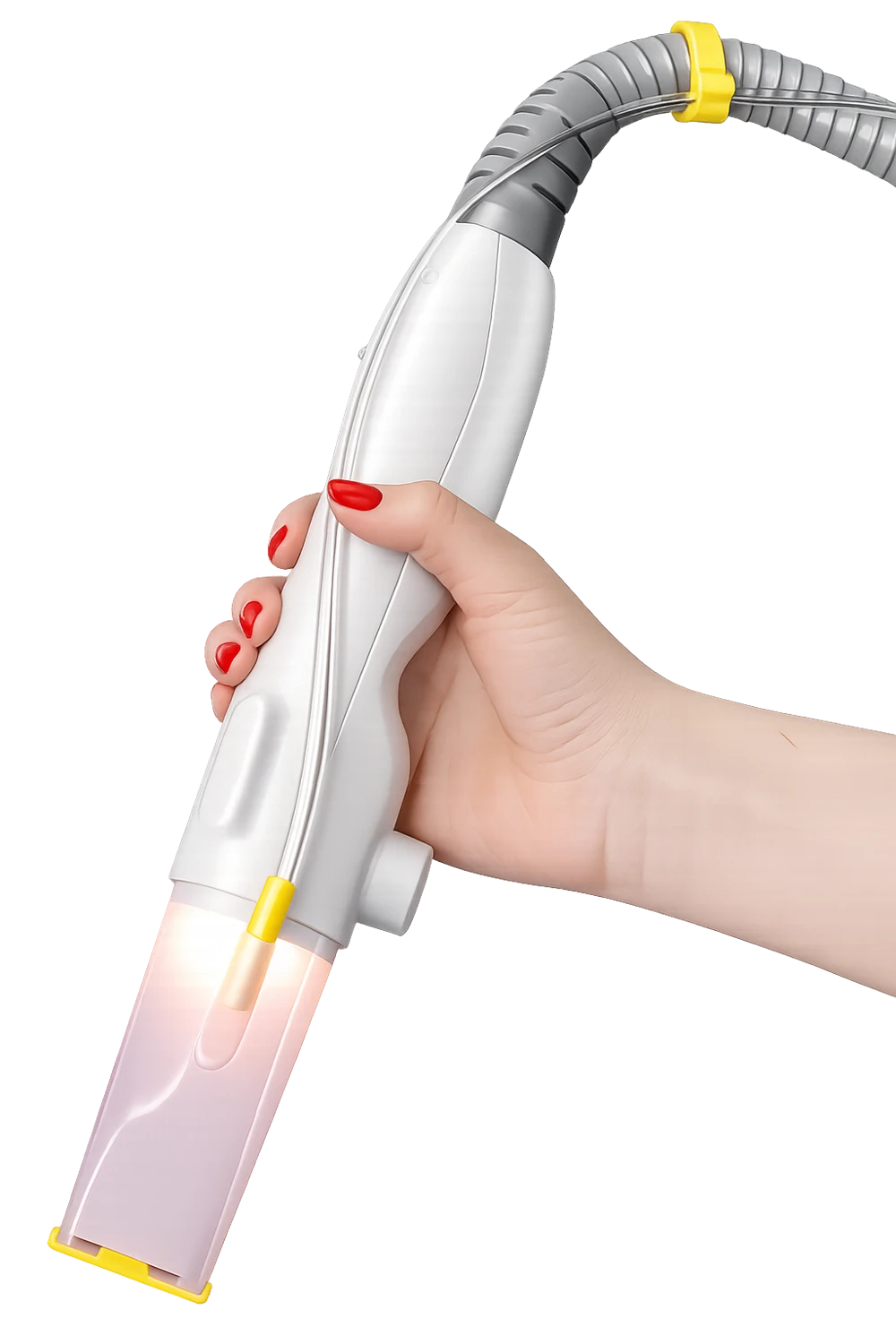
The camera provides a live view of visible skin and hair features. Image processing proposes locations, and a calibrated mapping relates image coordinates to beam positioning. This is image-assisted selection, not direct imaging of the buried bulb or diagnosis of follicular activity. The physician reviews the field and chooses the operating strategy.
Assessment, calibration and follow-up
Review the patient and target area, verify targeting as required by the instructions, review the selected map and parameters, and document the session. If the calibration test fails, do not begin treatment and follow the service procedure.
The physician selects the treatment area and parameters after assessing skin, hair and medical history, and provides aftercare. Laser exposure can cause redness, pain, burns, pigment changes, scarring or eye injury. Wavelength-appropriate eye protection and the device instructions are essential for everyone present. Precise targeting does not authorise treatment of the eyelids, eyebrows or surrounding eye area.
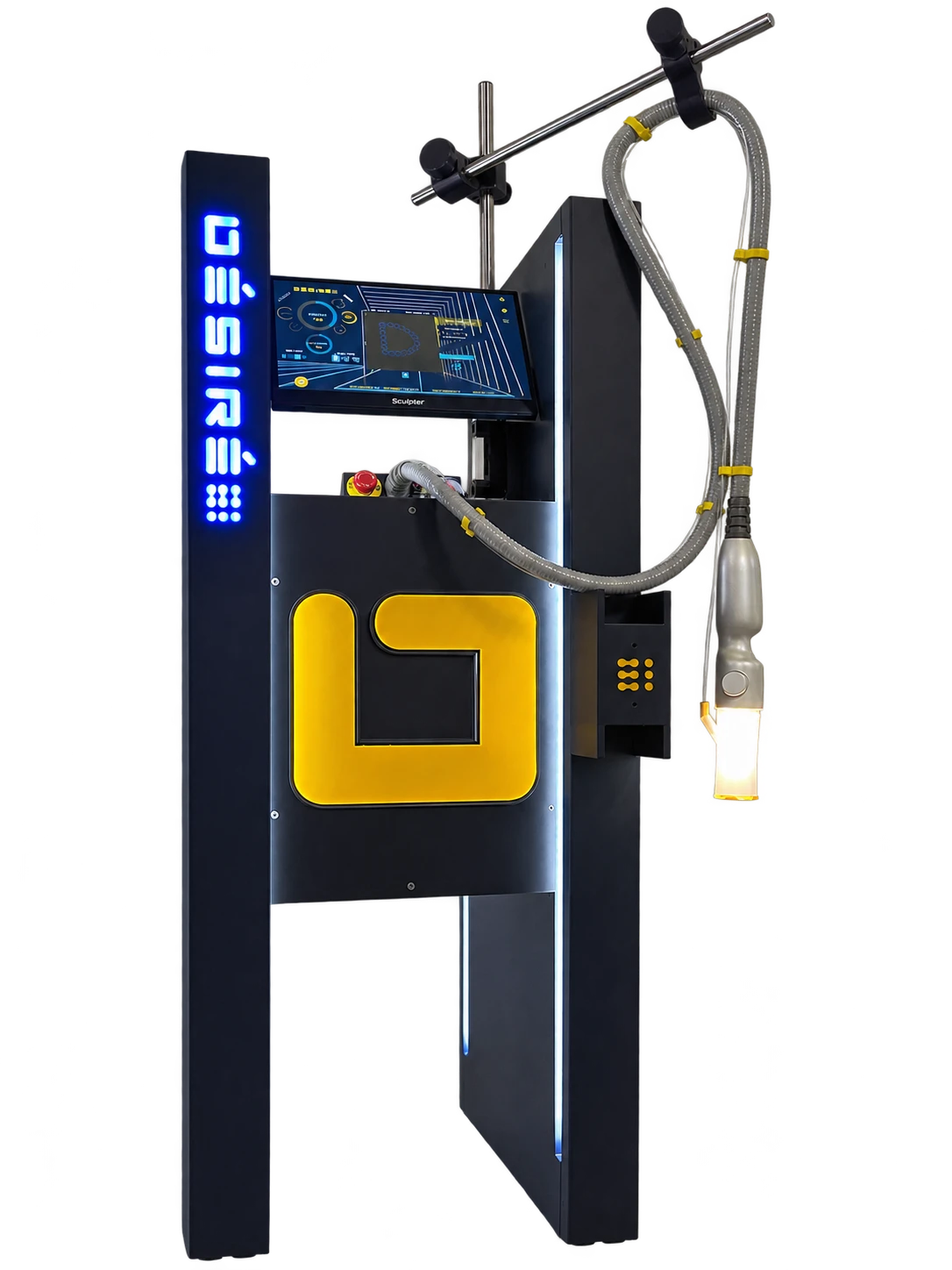
Meet the DÉSIRÉE platform
Explore device features, selection modes and the related operating paths, or contact Roxana for configuration and training information.
DÉSIRÉE — Image-Guided Diode Laser | Targeted Hair Reduction with DÉSIRÉE | Skin Stimulation with DÉSIRÉE | Follicle Modulation with DÉSIRÉE